Academic Support
Diagnostic backup
for the people training
tomorrow's technicians.
SWAT helps automotive instructors, professors, and technical education programs get expert diagnostic guidance when a class, lab vehicle, or technical topic needs deeper support.
Real Support for Real Instruction
When the lesson meets the real problem.
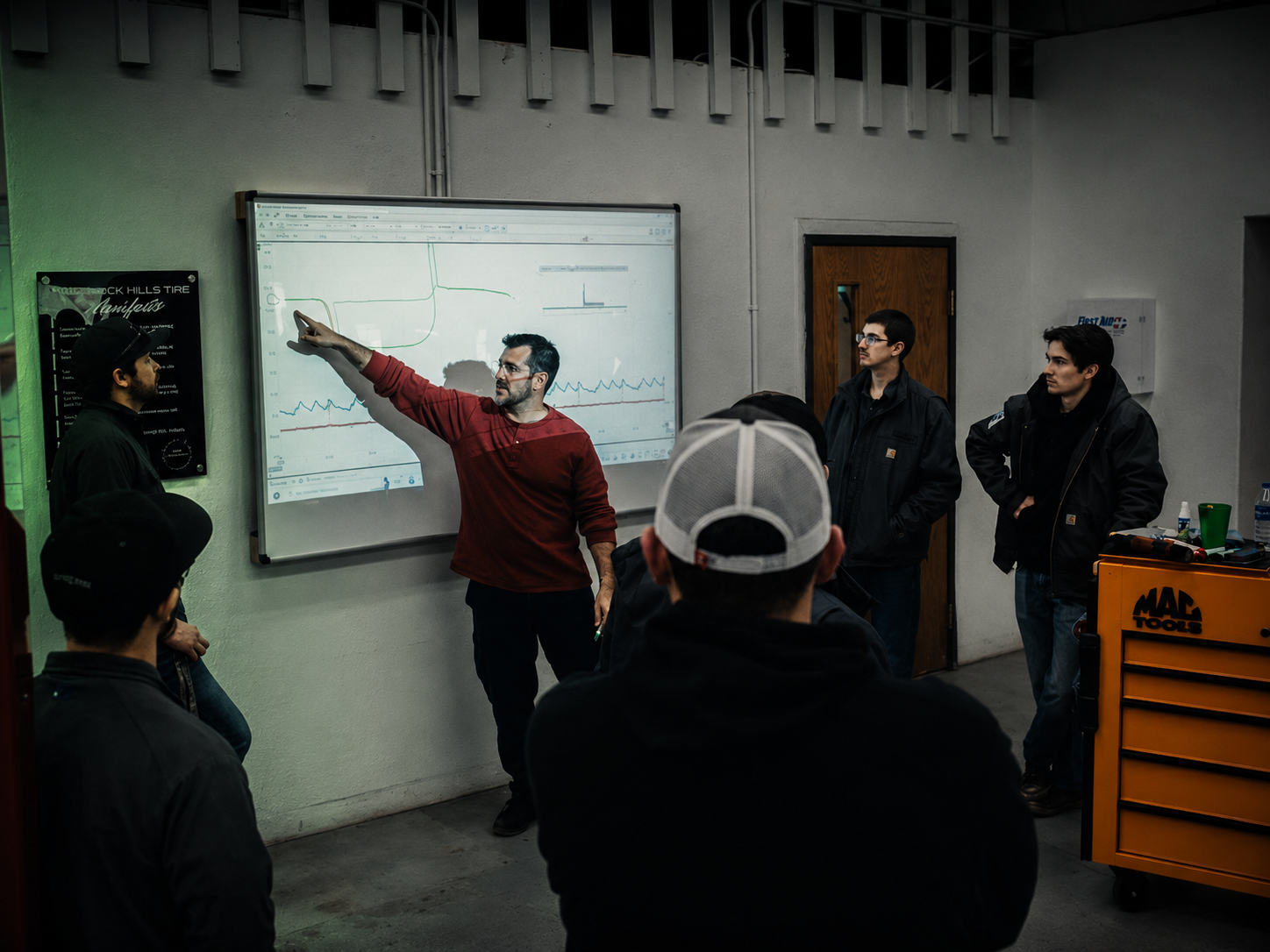
Automotive education does not always happen in clean textbook conditions. A lab vehicle may create an unexpected issue. A diagnostic topic may need deeper explanation. A class may be working through scan data, electrical testing, driveability, or waveform analysis and need another set of expert eyes.
SWAT gives instructors and institutions access to experienced diagnostic support so the moment can become a stronger learning opportunity.
A difficult classroom problem can become the lesson.
Who It Helps
Built for automotive education programs and instructors.
Automotive Instructors
Get expert support when a lab vehicle, diagnostic topic, or classroom question needs deeper technical review.
Professors and Program Leaders
Support course delivery, curriculum planning, instructor development, and technical decision-making.
CTE and Technical Schools
Help students connect diagnostic theory to real-world testing, data interpretation, and process.
Community Colleges and Workforce Programs
Strengthen technician development with practical support aligned to modern vehicle systems.
Support Areas
Academic support for the problems instructors actually face.
01
Live Classroom Support
Get diagnostic guidance when a class is working through a real issue and needs expert input.
02
Lab Vehicle Troubleshooting
Review symptoms, scan data, test results, electrical concerns, waveform captures, and diagnostic direction.
03
Curriculum and Topic Support
Strengthen how diagnostic process, scan data, electrical testing, driveability, and waveform analysis are taught.
04
Instructor Advisory
Give instructors a technical resource for complex topics, difficult questions, or unfamiliar vehicle systems.
05
Tooling and Training Gaps
Identify where tools, service information, testing process, or training resources may need improvement.
06
Custom Academic Training
Build support around the institution's specific students, faculty, program goals, and technical needs.
How It Works
A practical path from question to guidance.
Step 1
Share the Situation
Tell SWAT what is happening in the class, lab, program, or technical topic.
Step 2
Provide the Context
Include the vehicle, system, symptoms, data, learning objective, or classroom challenge.
Step 3
Get Expert Direction
Brandon reviews the situation and helps identify the next practical direction.
Step 4
Turn It Into Learning
The goal is to help the instructor move forward while creating a stronger learning moment for students.
Ways to Use SWAT
Support can be immediate, scheduled, or program-focused.
Live Support
For instructors who need help while working through a classroom or lab situation.
Advisory Session
For professors, instructors, or program leaders who want to review a technical concern, course direction, or training need.
Program Support
For institutions that want broader guidance around curriculum, tools, diagnostic process, or technician development.
Training Connection
Academic support can lead into deeper training.
Some academic needs can be handled through a single advisory conversation. Others may lead into virtual training, in-person instruction, event speaking, or a customized training path for instructors and students.
Virtual Training / Mentoring
Ongoing guidance for instructors and technicians building diagnostic capability.
In-Person Training
Hands-on training events for shops, schools, and technical programs.
Speaking & Events
Keynotes, instructor development sessions, and event presentations.
Resources
Books, videos, and articles that support diagnostic teaching and learning.
Start the Conversation
Need expert diagnostic support for your class or program?
Request academic support and share what your class, lab, instructor team, or program needs help with.